


Replacing your fence is one of those tasks that can sound relatively simple, but when you realise the multitude of fencing options for gardens, prices can rise, and picking the correct combination is key.
If you’re looking for the best choice between overlap and feather edge, timber posts and concrete, or whether or not you need gravel boards, read on.
Fence Types at a Glance
Fence Type | Lifespan | Cost Tier | Best For |
Overlap panel | 5 to 10 years | Budget | Rental properties, short-term use |
Feather edge | 15 to 25 years | Mid to Premium | Most Manchester gardens |
Concrete post and gravel board setup | 25+ years (posts) | Mid to Premium | Long-term, low maintenance installs |
Trellis top panel | 10 to 15 years | Budget to Mid | Decorative finish over solid base |
Best Option for Manchester Gardens
A feather edge panel with concrete posts and a concrete gravel board is usually the best option for most gardens in Manchester. It handles wind and wet ground far better than a standard overlap setup, lasts significantly longer, and gives you a fence you won't need to think about for years. It costs more on day one, but across a ten or fifteen year period it almost always works out cheaper.
Overlap vs Feather Edge Panels
In Greater Manchester, the fences you see generally are made using overlap panels. This is due to their affordability, availability, and because they just do the job at a basic level. The caveat? They’re not built for longevity. The horizontal slats are relatively thin; they flex in the wind, and once moisture gets into the edges, they can start to deteriorate faster than expected.
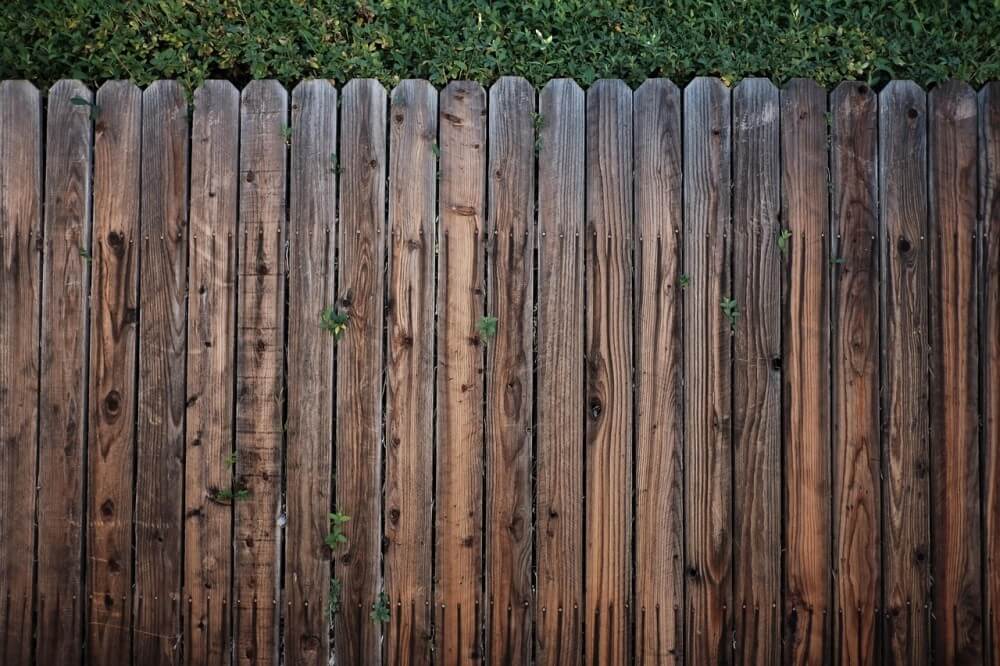
Feather edge panels use vertical boards that slightly overlap each other, which makes an overall more rigid structure. They hold up better in exposed gardens, they don't flex and warp in the same way, and they simply last longer. If your garden is in an open spot or you've had panels blow out before, feather edge is the more reliable choice.
Treated vs Untreated Timber
Untreated timber will rot, especially here. Manchester sits in one of the wetter parts of England, and untreated fence panels won't get close to a decade before the wood starts to break down in a noticeable way.
Pressure-treated timber has preservative forced deep into the wood under pressure, rather than just painted or brushed on to the surface. That makes it far more resistant to the rot, moisture, and insect damage that shortens the life of cheaper timber. At Joseph Parr Alco we stock treated timber as standard because it genuinely makes a difference to how long a fence performs.
Timber Posts vs Concrete Posts
Timber posts can work if they're properly treated, but they remain vulnerable at ground level. That's where soil contact and standing moisture do the most damage, and it's why you so often see posts that are still upright but completely rotten at the base.
Concrete posts don't have that problem. They cost more upfront but once they're in the ground they're largely maintenance-free. When a panel eventually needs replacing, you can swap it out without touching the posts at all. For gardens across Greater Manchester where the ground stays damp through much of the year, the long-term case for concrete is hard to argue with.
Gravel Boards: Worth It Every Time
A gravel board runs along the bottom of the fence line between your panels and the ground. It takes the contact with soil and moisture so your panels don't have to. Without one, the base of a panel sits directly in damp earth and starts rotting from the bottom up, often long before the rest of the panel is anywhere near the end of its life.
Timber gravel boards are the cheaper option and still add useful protection. Concrete gravel boards last almost indefinitely and are worth the extra cost if you're putting in concrete posts at the same time.
Wind Exposure Across Greater Manchester
A solid fence panel works like a sail. When a gust hits it, all of that force transfers directly into the posts and fixings. Feather edge boards with small gaps between them allow some wind to pass through, which reduces the load significantly on exposed plots.
If your garden sits on higher ground, backs onto open land, or you've had fences come down in past storms, this is worth factoring into your choice of panel and post. No fence is completely windproof, but the right combination makes a real difference.
5ft vs 6ft Fencing
6ft (1.8m) is the standard for rear gardens where privacy matters. It's also the height most people expect for security. 5ft fences on the other hand, work well for front gardens, side boundaries, or anywhere you want a clear line without cutting out light.
Budget vs Premium: The Real Cost Over Time
A budget overlap panel on timber posts with no gravel board will cost noticeably less on the day. But if it needs replacing in seven or eight years, and the premium setup lasts twenty or more, the maths shifts pretty quickly. The upfront saving rarely holds up when you factor in labour, disposal, and the cost of materials a second time round.
Source Your Fencing Materials at Joseph Parr Alco
Joseph Parr Alco supplies fence panels, concrete and timber posts, gravel boards, and treated timber to homeowners and landscapers across Oldham, Salford, and Greater Manchester. Whether you're pricing up a full garden fence or just need a few replacement panels, the team can help you get the right materials sorted. Get in touch or come in and see us.