
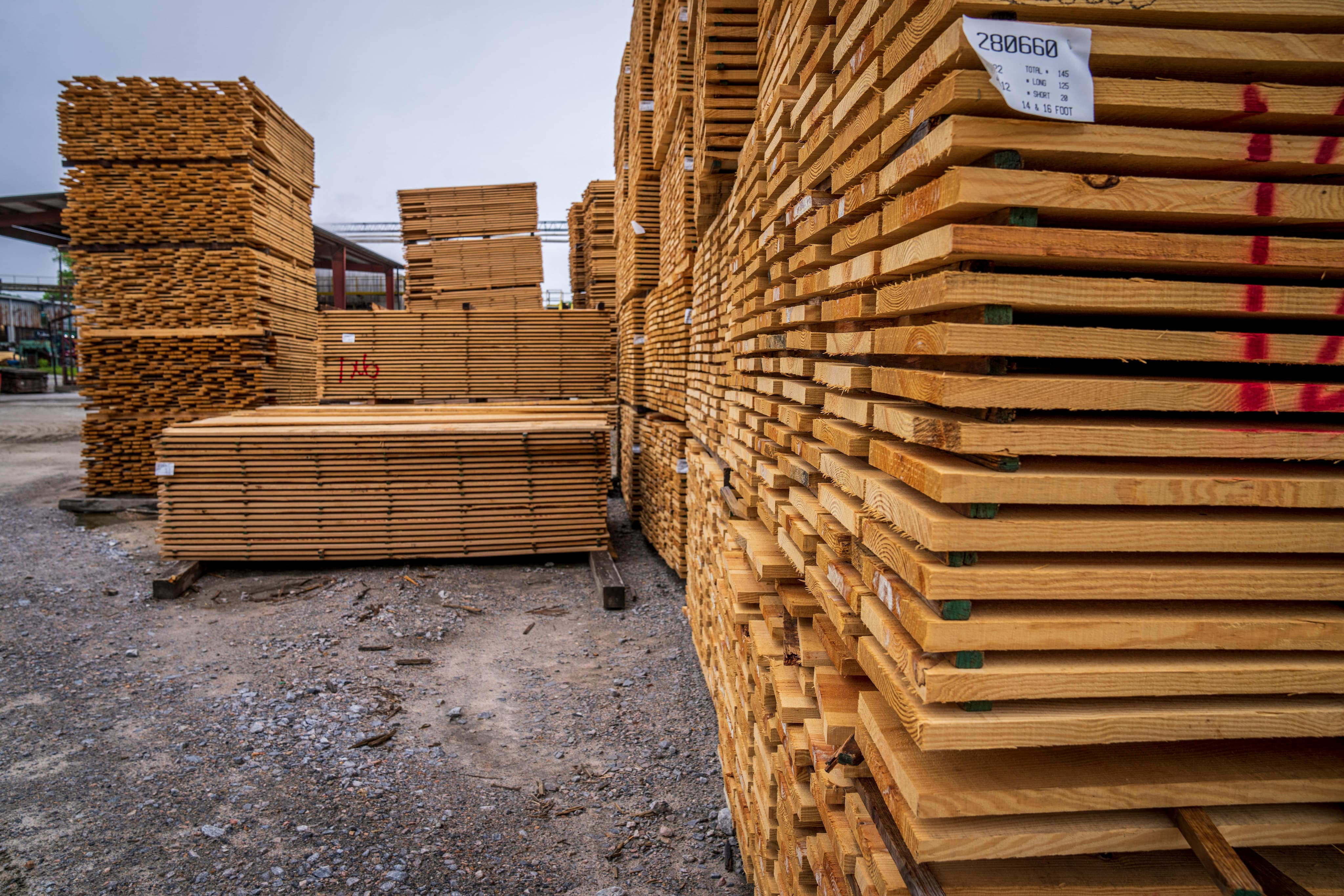
Carcassing timber and CLS are graded softwoods and both are commonly used in home building projects across the UK. While the two certainly sit close to one another (and the confusion is totally understandable), these two forms of timber ultimately serve overlapping but different purposes; they are also stocked in different sizes. Therefore, specifying the less optimal one can be expensive and cost money down the line.
Keen to learn how the two contrast? This guide explains the differences between carcassing and CLS, and delves into which option is better in specific applications; in other words, where each one belongs.
Quick Answer: Which Should You Choose? For stud walls and timber frames, use CLS; the dried, smooth finish and consistent sizing make it the right tool. Working on roofs, floors, or structural joists? Carcassing timber is the standard choice; heavier sections, lower cost, and no finish you don't need. |
What Is Carcassing Timber?
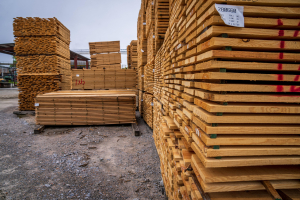
Carcassing timber is sawn structural softwood; graded to C16 or C24 under BS EN 338 and used in the load-bearing framework of a building. It comes rough from the mill with no planing or dressing, and that's the point. The grade tells you what it can carry; the finish doesn't matter because it's going into a roof structure or floor system where nobody sees it. Sizes run deeper than CLS. 47x150mm and 47x200mm are common examples; Greater Manchester tradespeople and carpenters tend to discover that floor and roof spans often require a wider range of sizes.
What Is CLS Timber?
CLS stands for Canadian Lumber Standard, which is a name that's stuck even though the sizing conventions are now standard practice across the UK. It's kiln dried to below 19% moisture content, planed on all four faces, and has rounded edges. The result is a timber that's consistent in section, easy to handle, and dimensionally accurate enough for stud walls and timber frames where tolerances actually matter.
Key Differences Between Carcassing and CLS Timber
| Feature | CLS Timber | Carcassing Timber |
| Finish | Planed, rounded edges | Sawn and rough face |
| Dimension Accuracy | Tight and consistent | Standard sawn tolerances |
| Primary Use | Stud walls and timber frames | Roofs, floors, and structural joists |
| Moisture Content | Dried to 19% or below | Green or partially dried |
| Typical Sizes | 38x63mm to 38x140mm | 47x75mm to 47x200mm |
| Cost | Higher | Lower |
When to Use Each
When it comes to choosing CLS or carcassing timber, consider the specific application you need the timber for.
For stud walls, CLS is definitely the better option, as consistent sizing keeps stud centres accurate, and the planed face means plasterboard can sit cleanly without needing adjustment.
Working with roof joists and rafters? Carcassing timber is optimal, with the rough sawn face working perfectly well in a roof void.
As carcassing covers the deeper sections that floor designs tend to need, it works better for floor joists, as CLS typically doesn’t come in the right sizes.
With timber frame construction, CLS is the specification. Pre-cut panels and off-site fabrication rely on dimensional accuracy; a few millimetres of variance across a run of studs compounds quickly. The lower moisture content also reduces shrinkage once the building is enclosed.
Structural Timber in Greater Manchester at Joseph Parr Alco
Joseph Parr Alco stocks both CLS and carcassing timber at our Oldham and Salford branches, supplying trade builders and contractors across Greater Manchester. Stock is graded, available in the sizes that actually get specified, and consistent enough to rely on for volume supply.
Looking for timber advice? Or want to find out more about our CLS and carcassing options? Feel free to contact us.