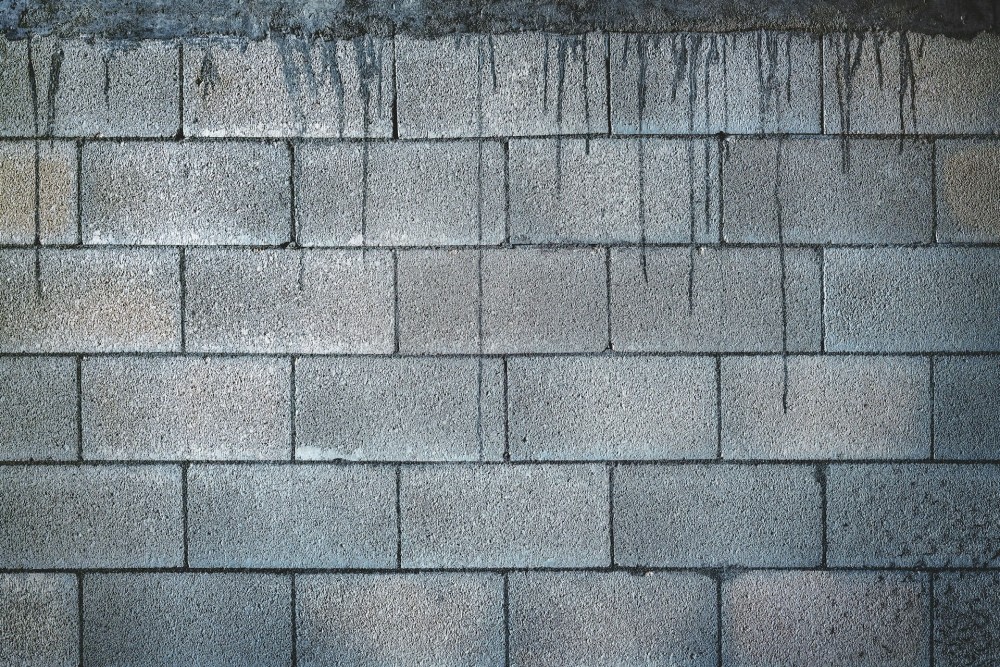
Concrete blocks for a house extension in Manchester cost between £1.50 and £3.50 per block, depending on type. For a standard 20m² extension, materials alone usually cost between £600 and £1,400 before mortar, delivery, and labour. What you pay mostly comes down to which and how many blocks you need.
Block Prices at a Glance
Block Type
Cost per Block
Blocks per m²
Est. Cost per m²
Typical Use
Dense Aggregate
£1.50 to £2.20
10
£15 to £22
Foundations, load-bearing walls
Lightweight Aggregate
£1.80 to £2.80
10
£18 to £28
Internal walls, upper floors
Aerated (aircrete)
£2 to £3.50
10
£20 to £35
Inner leaf, partition walls
Bigger orders cost less per block. If you're buying for a full extension, it's worth getting a trade price instead of paying counter rate.
Key Factors That Affect the Cost
Several different ways can impact how expensive or inexpensive this project can be:
Replacing your fence is one of those tasks that can sound relatively simple, but when you realise the multitude of fencing options for gardens, prices can rise, and picking the correct combination is key.
If you’re looking for the best choice between overlap and feather edge, timber posts and concrete, or whether or not you need gravel boards, read on.
Fence Types at a Glance
Fence Type
Lifespan
Cost Tier
Best For
Overlap panel
5 to 10 years
Budget
Rental properties, short-term use
Feather edge
15 to 25 years
Mid to Premium
Most Manchester gardens
Concrete post and gravel board setup
25+ years (posts)
Mid to Premium
Long-term, low maintenance installs
Trellis top panel
10 to 15 years
Budget to Mid
Decorative finish over solid base
Best Option for Manchester Gardens
A feather edge panel with concrete posts and a concrete gravel board is usually the best option for most gardens in Manchester. It handles wind and wet ground far better than a standard overlap setup, lasts significantly
Planning a loft conversion starts by picking the correct sheet material, and avoiding the cheapest or seemingly convenient option.
The right one will ensure the structural integrity of your loft conversion for years to come and avoid moisture damage or failure to adhere to building regulations inspections.
Here's a straightforward breakdown of OSB, plywood, and MDF, what each one is suited for, and which makes the most sense for loft conversion work.
What Are These Materials, and Why Does It Matter?
OSB (Oriented Strand Board), plywood and MDF (Medium Density Fibreboard) are all engineered wood panels, but they're built differently and behave very differently under load, in damp conditions, and when exposed to heat or flame.
In a loft conversion, you'll typically need sheet materials for:
Structural floor decking
Flat roof or ceiling decking
Internal partitioning and stud walls
Sarking and rafter decking
Not all three materials are suitable for all of these uses. Picking the wrong one
Roofing contractors in Greater Manchester often get asked what the overall roofing project will cost. Knowing the real numbers going into a new re-roofing job is key because material costs are the foundation of accurate estimates.
Looking to work out what the whole thing is going to cost? Our guide covers all bases, from the main materials used in a pitched roof re-cover in Greater Manchester to the average cost breakdown between materials and labour.
Tile and Slate Cost Differences
Most Greater Manchester homes were built toward the end of the 19th century, up until the 1970s, with the majority having pitched roofs that were covered, either by concrete interlocking tiles, plain concrete tiles, or (on older homes) natural or fibre cement slate.
These materials all carry different costs per square metre, and a contrast in homeowners' expectations to boot.
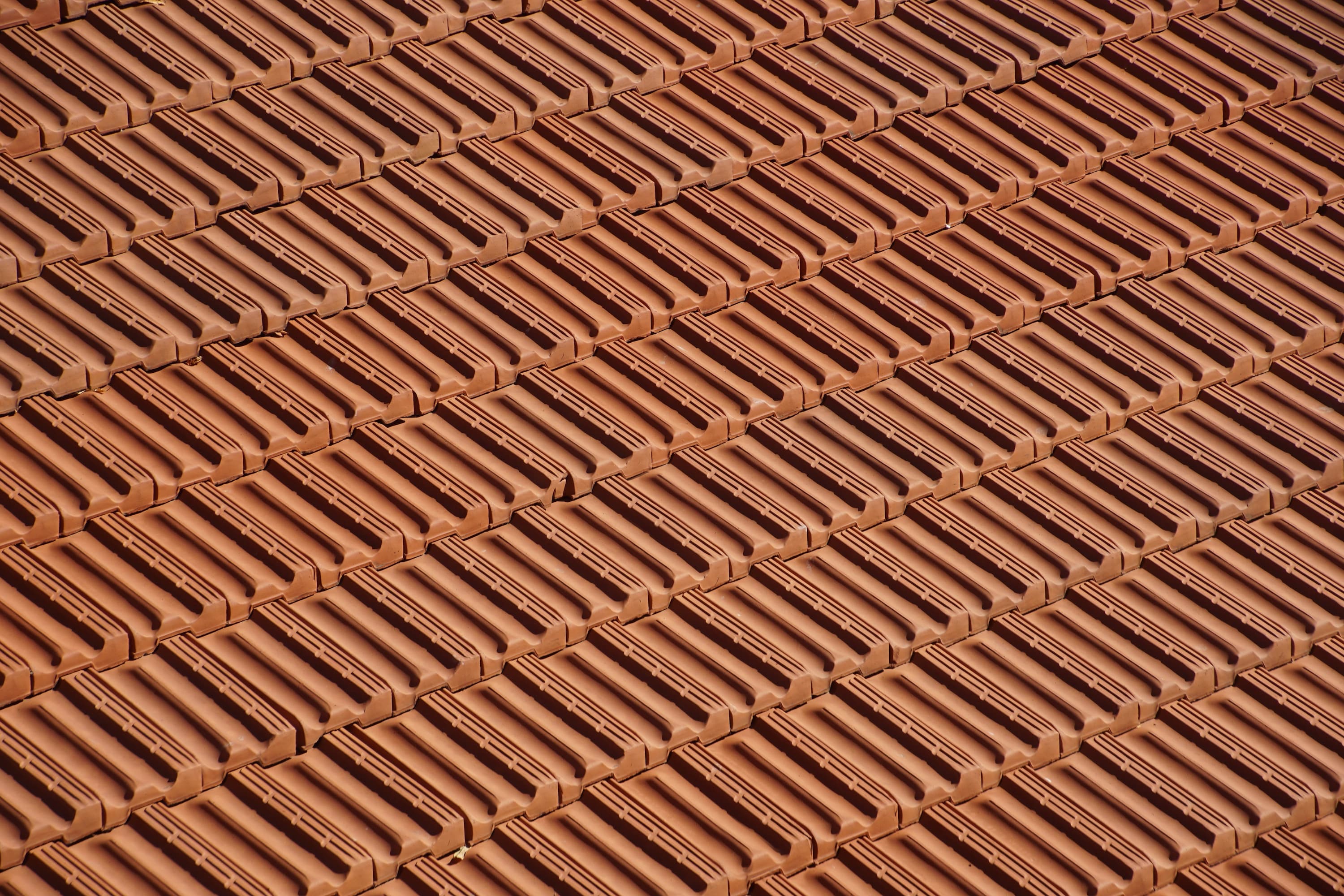
We’ve found that concrete interlocking tiles tend to be the local standard option, with material costs somewhere between £22 and £35
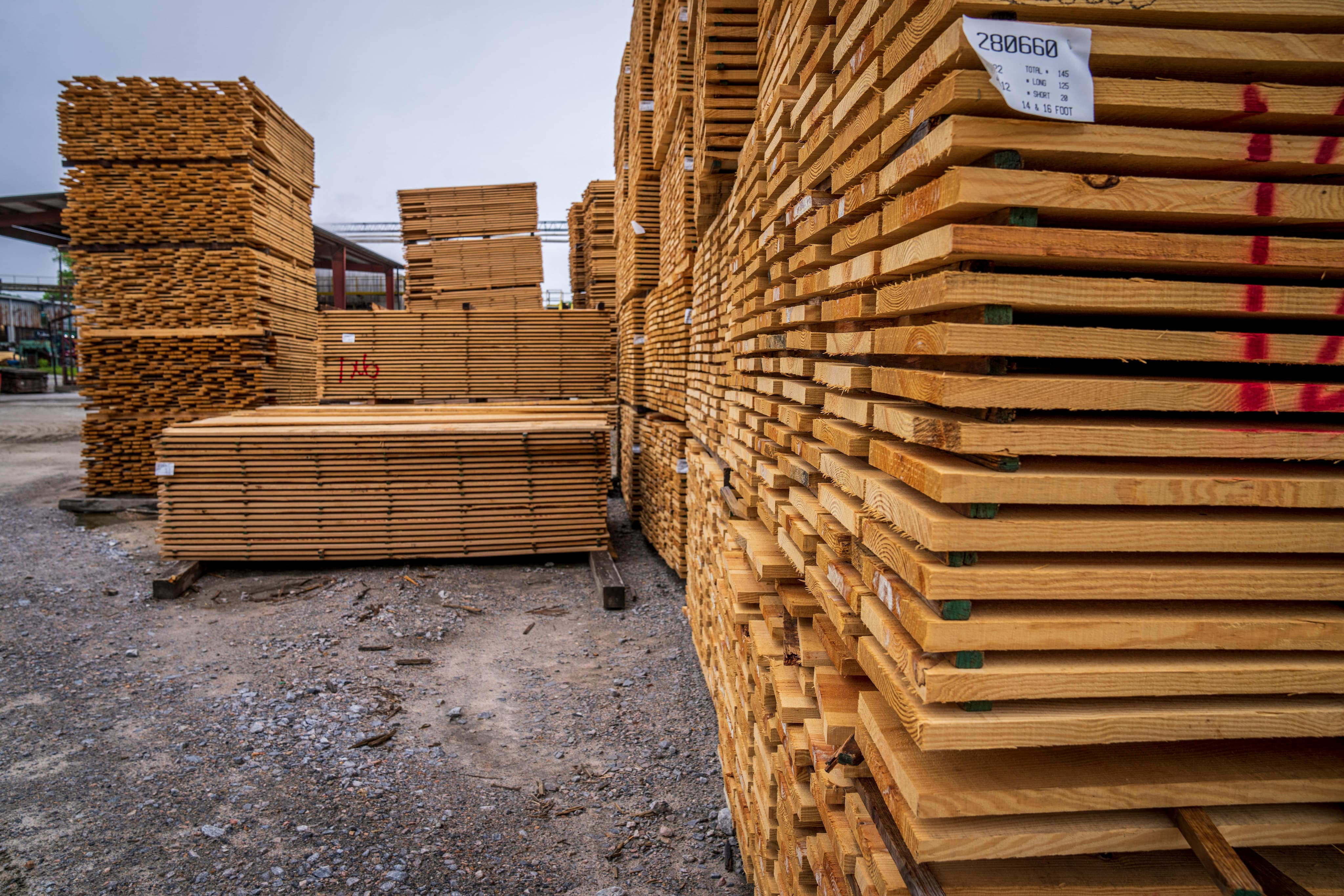
Carcassing timber and CLS are graded softwoods and both are commonly used in home building projects across the UK. While the two certainly sit close to one another (and the confusion is totally understandable), these two forms of timber ultimately serve overlapping but different purposes; they are also stocked in different sizes. Therefore, specifying the less optimal one can be expensive and cost money down the line.
Keen to learn how the two contrast? This guide explains the differences between carcassing and CLS, and delves into which option is better in specific applications; in other words, where each one belongs.
Quick Answer: Which Should You Choose?
For stud walls and timber frames, use CLS; the dried, smooth finish and consistent sizing make it the right tool. Working on roofs, floors, or structural joists? Carcassing timber is the standard choice; heavier sections, lower cost, and no finish you don't need.
Have you started pricing up a garden project recently? If so, there’s a good chance you’ve grasped that numbers can move quickly. The cost of timber varies heavily on a few factors, namely species, treatment, and grade; there’s a big contrast between a quote that holds and one that rises once you’ve got started.
Keen to get an accurate and realistic overall cost for products like decking timber, fence panels, posts, and subframe materials in Manchester and the surrounding areas? This helpful guide from the team at Joseph Parr Alco can give you that.
What You’re Paying Per Metre With Decking Timber
Treated softwood decking boards that sit in the 90 to 120mm range typically cost between £2.50 and £4.50 per linear metre. You will find that hardwood is a bit more expensive, at around £6 to £12 per metre.
Consider board thickness; a 28mm board is much more rigid than a 22mm one over the same joist spacing, and it’s definitely worth getting this right straight away.