
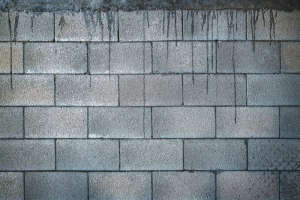
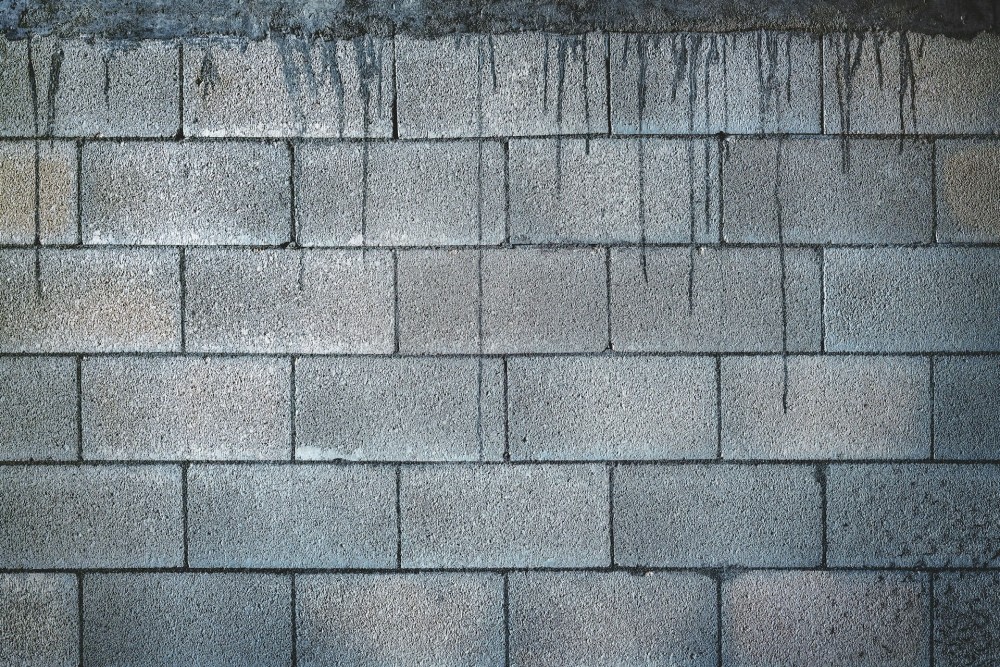
Concrete blocks for a house extension in Manchester cost between £1.50 and £3.50 per block, depending on type. For a standard 20m² extension, materials alone usually cost between £600 and £1,400 before mortar, delivery, and labour. What you pay mostly comes down to which and how many blocks you need.
Block Prices at a Glance
Block Type | Cost per Block | Blocks per m² | Est. Cost per m² | Typical Use |
Dense Aggregate | £1.50 to £2.20 | 10 | £15 to £22 | Foundations, load-bearing walls |
Lightweight Aggregate | £1.80 to £2.80 | 10 | £18 to £28 | Internal walls, upper floors |
Aerated (aircrete) | £2 to £3.50 | 10 | £20 to £35 | Inner leaf, partition walls |
Bigger orders cost less per block. If you're buying for a full extension, it's worth getting a trade price instead of paying counter rate.
Key Factors That Affect the Cost
Several different ways can impact how expensive or inexpensive this project can be:
Block type and strength specification
Wall thickness: 100mm, 140mm, or 215mm
How many you order at once
Delivery distance and site access
Whether you need fire-rated or high-density blocks
What a 20m² Extension Actually Costs in Blocks?
A 20m² single-storey extension needs blockwork on four walls. With a 2.4m wall height and openings for doors and windows, you're typically looking at 50–60m² of blockwork total. Most cavity wall extensions use two block types: a dense outer leaf and an aerated inner leaf.
Item | Estimated Cost |
500 to 600 blocks | £750 to £1,350 |
Mortar and sand | £80 to £150 |
Wall ties and sundries | £40 to £80 |
Total Materials | £870 to £1,580 |
Insulation, render, and lintels are on top of this.
Labour vs Materials
Materials are roughly 40–50% of the total blockwork bill. Two bricklayers for four to six days at £180–£280 per day each makes up the rest.
Estimated cost:
Materials - £870 to £1,580
Labour - £1,500 to £3,000
Total blockwork - £2,370 to £4,580
The fastest way to push labour costs up is delays on site. If blocks arrive late or in mixed grades, bricklayers are still on a day rate.
Why You Shouldn't Cut Corners on Block Grade?
Load-bearing walls and foundations need dense aggregate blocks rated at 7.3 N/mm² or above. Drop below that, and you risk structural problems, particularly where the new build ties into your existing house.
Aerated blocks are fine for internal walls and the inner leaf of a cavity wall. They don’t work underground or under heavy loads. Avoid using them in the wrong place to comply with Building Regulations for both structure and thermal performance.
Buying blocks with consistent grading across the whole order also makes a difference on site. Mixed grades mean inconsistent sizing, uneven mortar joints, and more time spent getting walls plumb.
Manchester-Specific Costs Worth Knowing
Delivery in Greater Manchester is generally a simple process from a reliable supplier, but we always recommend thinking about access ahead of time, as narrow streets, parking restrictions, and tight urban sites can limit vehicle size and increase unloading time.
Find Concrete Blocks at Joseph Parr Alco
Ordering locally keeps delivery costs lower and lead times shorter. If your bricklayers are booked and blocks are on back order somewhere distant, that's an expensive wait.
Joseph Parr Alco stocks dense aggregate, lightweight, and aerated blocks from branches in Oldham and Agecroft. We supply builders and homeowners across Greater Manchester with consistent grading, competitive pricing, and reliable availability.